
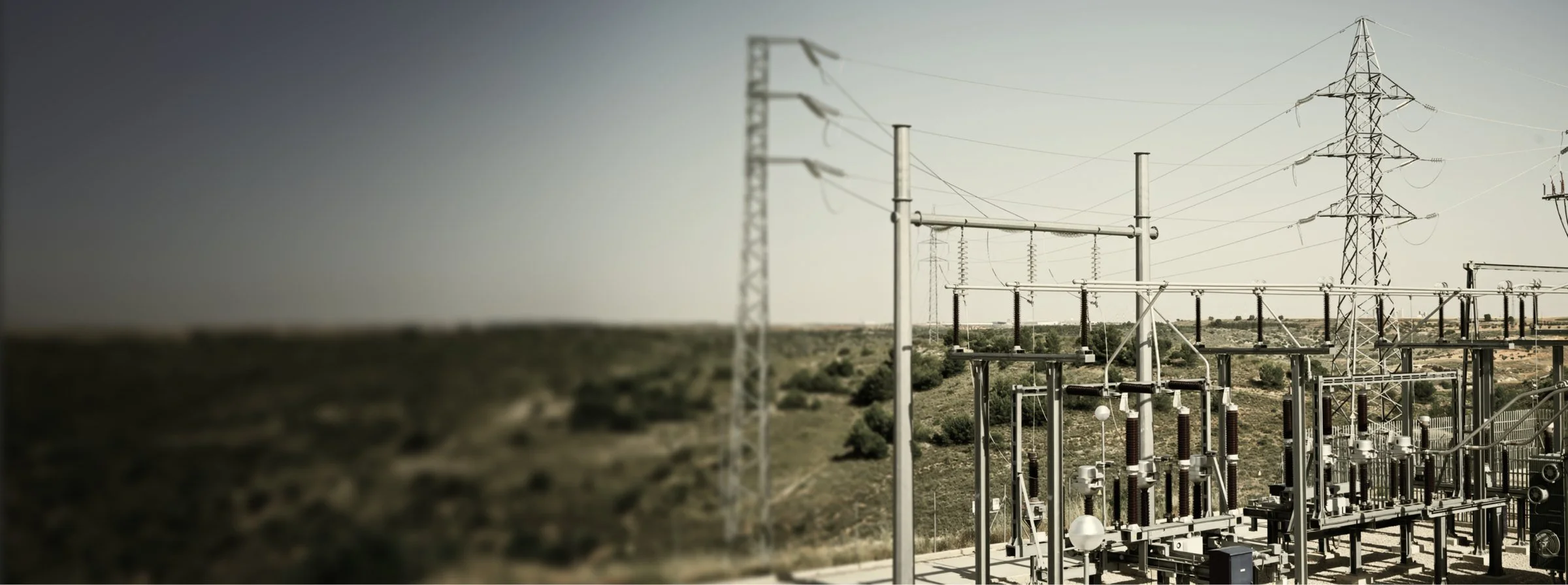
Stop drones before they reach critical sites
Engineered stainless-steel netting systems for energy, data centres, military facilities and industry.
A low-tech solution to a high-tech threat.
Joint development with Ukrainian experts and universities
Battle proven solutions to very difficult security settings, including shielding against Shahed class drones
The problem
Drones are used for attack, sabotage and reconnaissance against sites that cannot be moved. Here the damage is the impact itself, not a delivery.
The threat is changing fast: Large aerial drones already carry small ground drones into position
– soon for espionage or with explosives on board.
Energy infrastructure
Substations, plants and transmission sites.

Data centres
Uptime-critical sites with exposed roofs and yards.

Military facilities
Depots, hangars and staging areas.

Industry
Sites concerned with espionage and sabotage.
EU directive 2022/2557
The CER Directive names fencing and barriers
The Critical Entities Resilience Directive has applied across the EU since October 2024. 17 July 2026 was the deadline for member states to identify their critical entities within energy, transport, banking, water, food, health, digital infrastructure, space and public administration.
Critical entities must “ensure adequate physical protection of their premises and critical infrastructure, duly considering, for example, fencing, barriers, perimeter monitoring tools and routines, detection equipment and access controls”.
Article 13(1)(b)
Each identified entity has nine months from notification to complete its risk assessment.
CUVAS netting is a physical barrier for the one direction a fence does not cover.
The solution
ILLUSTRATION
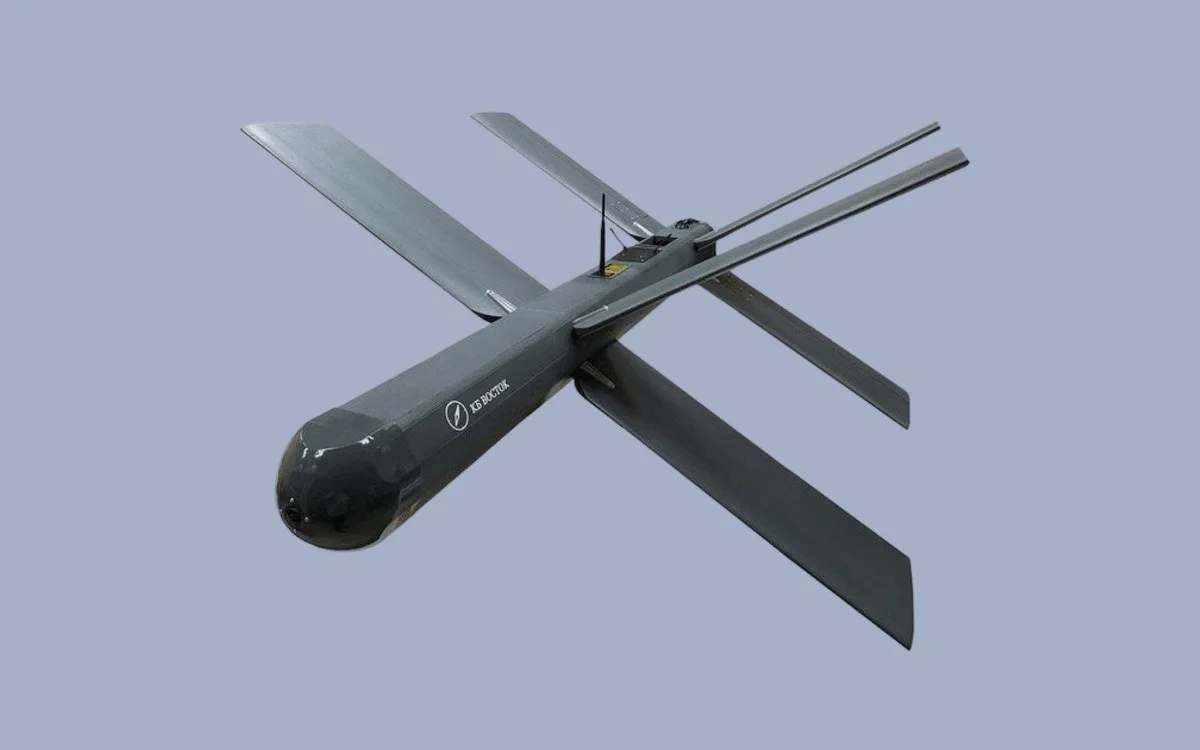
Scenario 1 · Sacrificial but repairable
Nets that cause explosive airborne, seaborne or underwater drones, including Shahed/Geran-class, to detonate above and away from the intended target. After the explosion, the nets can be repaired.
ILLUSTRATION
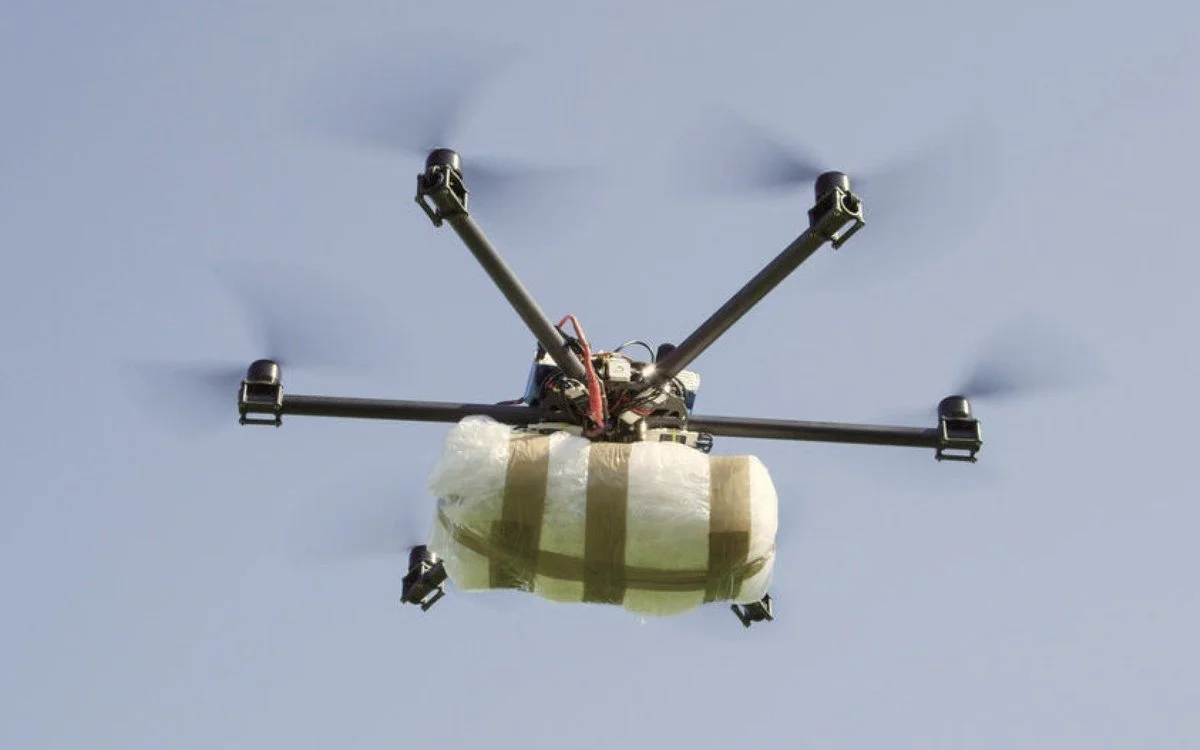
Scenario 2 · Impenetrable
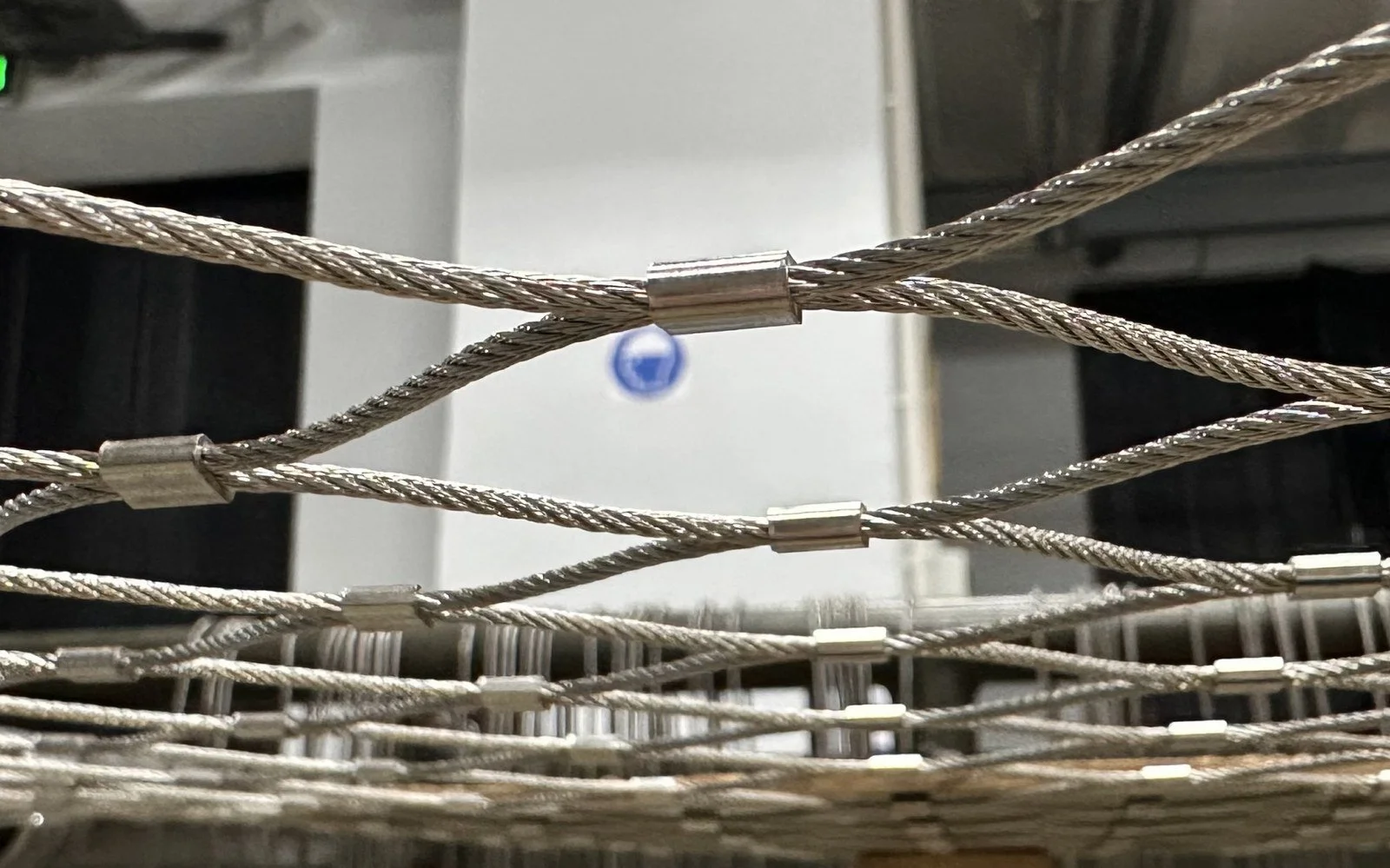
Flexible stainless steel cable nets suspended from pylons, steel cables or existing buildings, stopping primarily non-explosive airborne, seaborne or ground based drones.
Stand-alone, or the last physical layer in a layered C-UAV defence
alongside electronic countermeasures and weapon systems.
Where mobility and low weight come first, we also deliver nets in advanced synthetic fibres.
Learn more
The expertise
CUVAS is a Danish-owned company with more than 25 years of experience in developing and delivering netting systems for demanding, high-security environments.
CUVAS combines proven netting technology with in-house design, engineering, BIM modelling and full supply-chain control. Solutions are engineered and dimensioned to the specific threat scenarios.
Developed jointly with Ukrainian partners in universities and the private sector, for testing, engineering and field use.
Selected references
IMAGE · SURFACE DRONE, E.G. SEA BABY
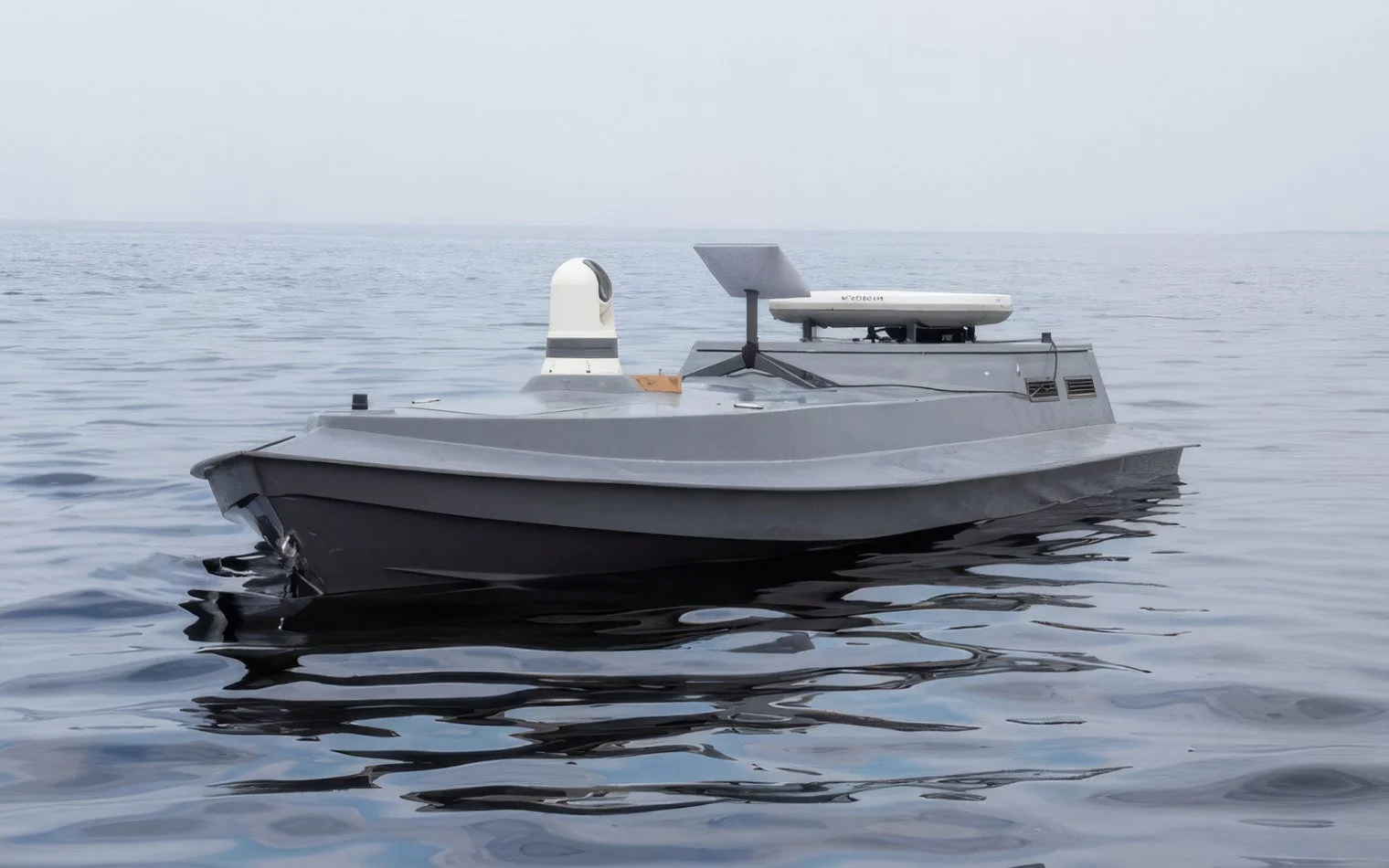
Ongoing
REFERENCE MODULE
Floating barriers against
USV and AUV
Ukraine
Unmanned surface vehicles (USV) and autonomous underwater vehicles (AUV).
IMAGE
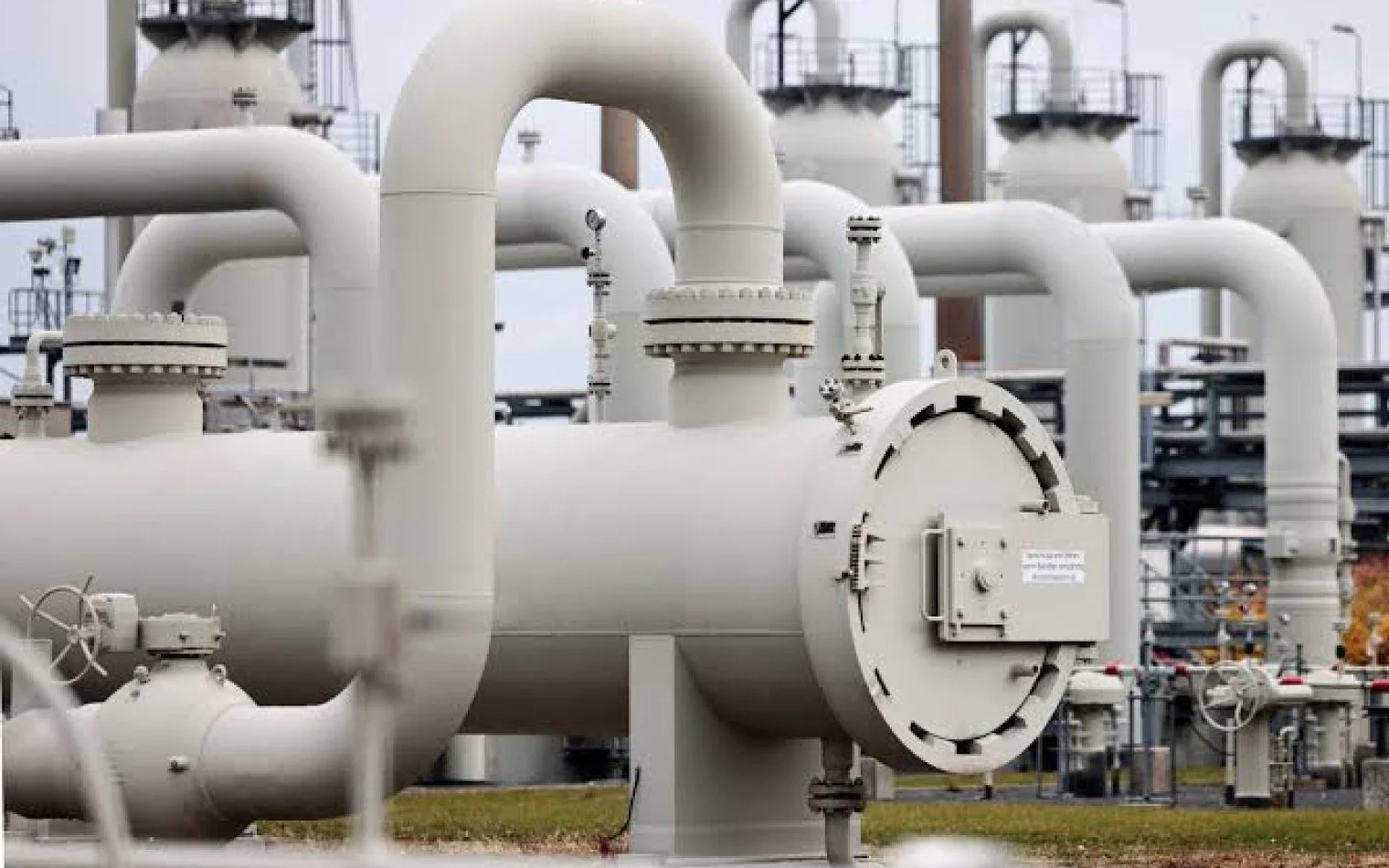
Ongoing
Gas compressor station
Eastern Europe
C-UAV specification and design.
IMAGE
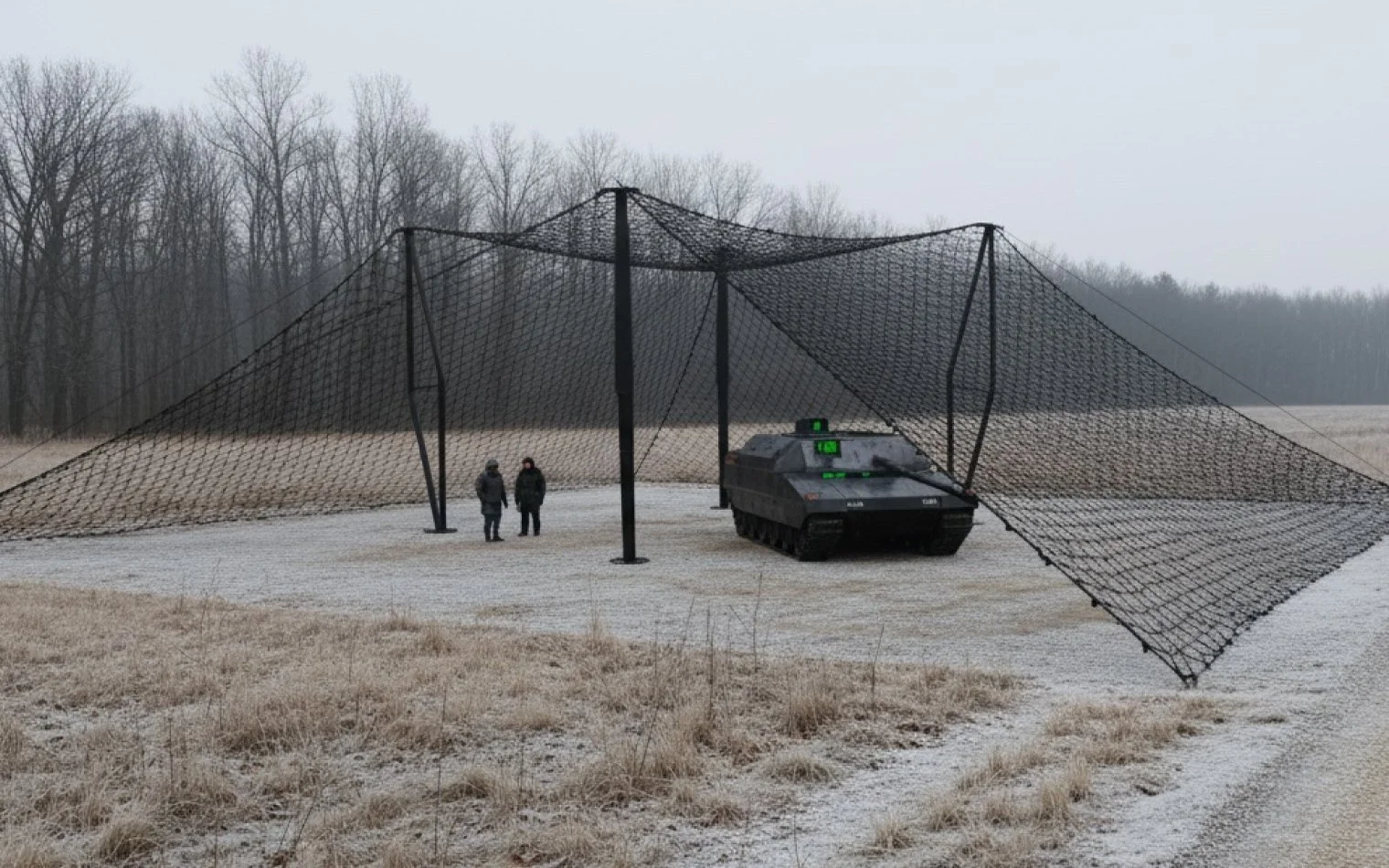
Ongoing
Lightweight C-UAV net
Europe
Vehicle and personal C-UAV net for military units, lightweight and fireproof
Contact us
Get in touch to learn more about our C-UAV concepts. Fill out the form and we will be in touch shortly.
In case of sensitive information, we can also be reached on Signal Messenger, on the phone number below.